 (Image via
Long runs and challenging trails test your endurance, leaving both muscles and mind in need of effective recovery. Sore legs, tired joints, and lingering fatigue call for more than just rest; they require thoughtful care that targets every aspect of post-exercise wear. Your body benefits from techniques that encourage healing, ease tension, and speed up the return to full strength. This guide explains proven, practical methods for addressing muscle soreness, supporting tissue repair, and calming mental stress so you can recover quickly and confidently after every demanding adventure.
Each technique below draws on scientific insights, athlete feedback, and expert recommendations. You’ll find clear steps to integrate into your post-event routine, boosting recovery while cutting down downtime. Let’s dig in.
Holistic Recovery Principles
- Body Systems Integration: Treat muscles, nerves, and mind as a unified network. Speedy repair occurs when you balance physical and mental reset.
- Inflammation Control: Use natural anti-inflammatory foods and gentle movement to reduce swelling without masking healing signals.
- Stress Modulation: Activate the parasympathetic system (rest-and-digest) to counteract chronic cortisol spikes after racing.
- Progressive Reintroduction: Increase training load gradually in small increments to prevent setbacks and overuse injuries.
By viewing recovery through these lenses, you prioritize methods that complement each other. A tight fascia release works best when you also dial in nutrient timing and sleep quality.
Experts agree that ignoring one component slows down your entire return-to-peak process. Aim for small wins—like five minutes of breathwork—and incorporate them into your daily routine.
Nutrition Strategies
- Protein Timing: Consume 0.3 grams per kilogram of body weight of high-quality protein within 30 minutes. Whey isolates and plant blends both work well.
- Antioxidant Pairing: Add berries and dark leafy greens to your meals to reduce oxidative stress. Studies show these foods help limit micro-tears in muscle fibers.
- Omega-3 Boost: Aim for 2–3 grams of EPA/DHA daily. This helps control inflammation and supports joint health.
- Hydration Cycling: Alternate electrolyte drinks and plain water to balance sodium levels without diluting plasma volume.
- Polyphenol Support: Sip tart cherry juice or green tea. Clinical trials note faster strength recovery when athletes drink them after endurance races.
Adjust these recommendations based on your taste preferences and how well you tolerate certain foods. For example, you might find plant-based protein easier on your gut during or after a race than dairy-based powders.
Choose fuel plans that match your digestive comfort and daily schedule to improve adherence. Stick with foods you have tested during training to avoid surprises.
Mind-Body Techniques
Practice deliberate relaxation techniques to clear mental fatigue. This step reduces perceived muscle soreness and sharpens focus for your next session. Try pairing guided imagery with gentle stretching.
If you want a deeper mental reset, explore holistic recovery techniques. Athletes report up to a 20% reduction in soreness perception when they consistently apply these methods.
Sleep and Rest Optimization
Quality sleep speeds up tissue repair by triggering growth hormone release. Aim for seven to nine uninterrupted hours. If your schedule disrupts this, take strategic naps of 20–30 minutes to fill in the gaps.
Create a sleep ritual. Dim the lights an hour before bed. Turn off electronics. A consistent bedtime signals your brain that it’s time to rebuild. Use a sleep-monitoring device to track your patterns and adjust your routine to reduce restless phases.
Set your room temperature around 65°F (18°C). Cooler environments promote slow-wave sleep, which is essential for physical recovery.
If racing schedules or time zones interfere, use light exposure to shift your circadian rhythm. Spend 15 minutes in bright daylight in the morning and limit blue light exposure at night.
Active Recovery Methods
Engage in gentle movement on rest days to maintain blood flow and remove metabolic waste. Schedule 20–30 minutes of low-impact activities like swimming, cycling at an easy pace, or brisk walking.
Incorporate dynamic mobility routines such as leg swings, hip circles, and thoracic rotations to help maintain joint range without overloading tired muscles.
- Foam Rolling: Spend 1–2 minutes per muscle group to release adhesions.
- Stretch-Counterstretch: Hold a gentle stretch for 10 seconds, then contract the target muscle briefly.
- Joint Glides: Perform controlled gliding motions to enhance synovial fluid distribution.
Keep the intensity low. The goal isn’t to train but to support recovery. Consistency matters more than intensity on these recovery days.
Equipment and Technology Aids
Wear compression gear to manage swelling and improve venous return. Normatec boots provide peristaltic pulsing that helps push fluid out of tired limbs.
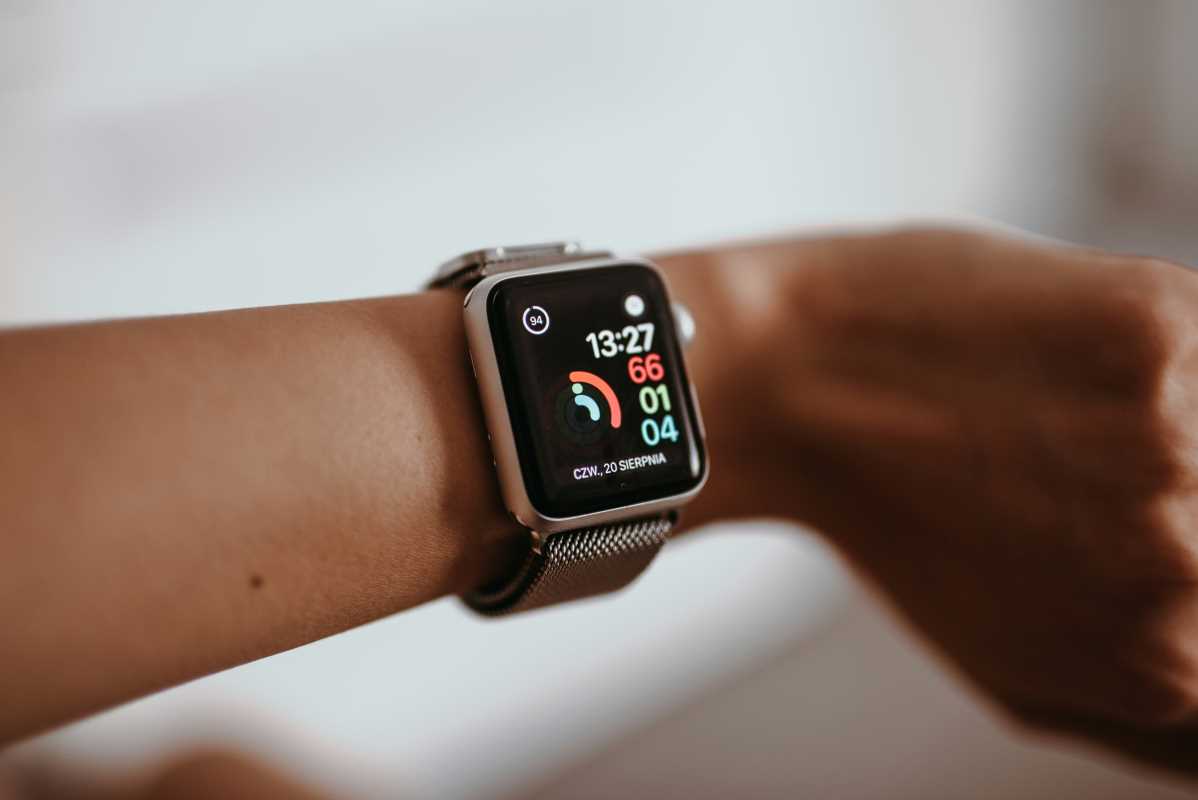
Use wearable trackers like the Whoop band to measure recovery scores and heart rate variability. Use that data to plan workouts when your system indicates readiness.
Pulsed electromagnetic field mats stimulate cellular repair and reduce soreness. Many endurance athletes set these devices up for 20–30 minutes after races.
Cold-water immersion tubs or ice baths remain popular. Alternate between 10 minutes at 10–12°C and warm showers to maximize vascular benefits.
Combine the techniques and track your progress to speed up recovery and prepare for your next session.