 (Image via
Chasing progress gains new excitement when real-time data shapes every move you make. Details such as heart rate variability, power output, and sleep quality offer valuable insights that help you adjust your workouts with greater precision. Devices like wearables and smart sensors make tracking these numbers simple, delivering instant feedback as you train. Each session becomes an opportunity to optimize your exercise routine, speed up recovery, and steadily reach new personal milestones. By paying attention to these key measurements, you can make smarter choices that improve your performance and help you strive for your best every time you train.
This guide explains nine ways to customize CrossFit sessions by monitoring real-time biometrics. Each tip provides practical steps you can implement at the box or home gym. Skip generic advice—this plan targets high-intensity training measured by numbers you trust.
Details of biometric data in CrossFit
Biometric metrics show what your body demands before, during, and after each WOD. You’ll notice patterns indicating strength gains, fatigue buildup, and recovery status. Understand definitions so you know exactly when to increase intensity or take a break.
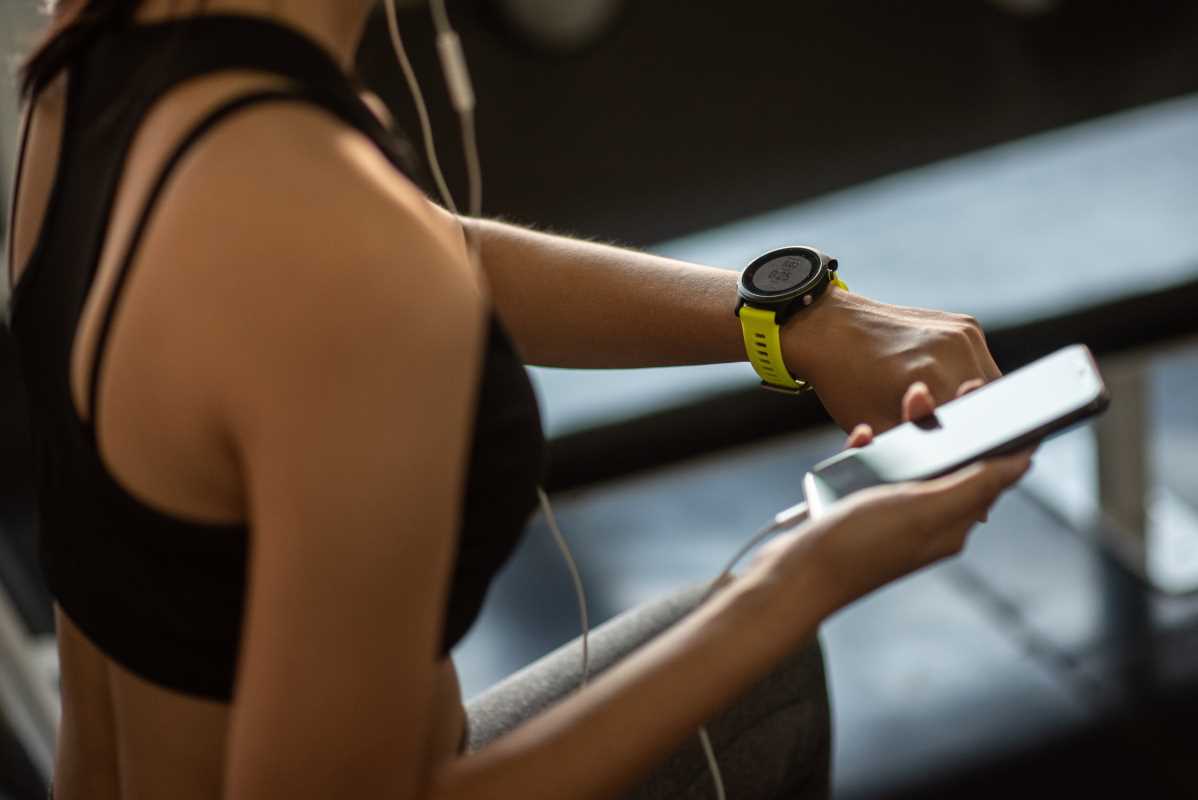
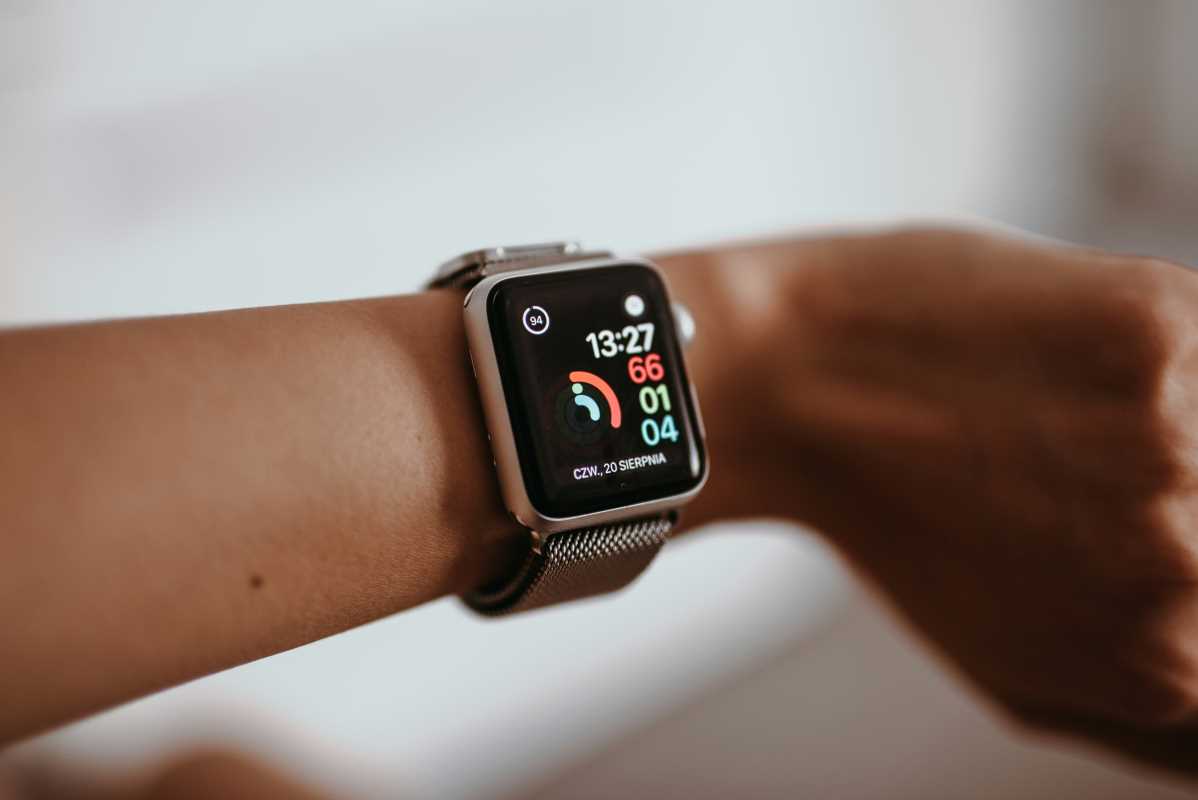
Track these metrics with wrist trackers or chest straps. Many devices sync data to apps that display easy-to-read charts. You can compare workouts side by side and identify trends over weeks.
- Heart Rate Variability (HRV): Measures the time gap between heartbeats to assess stress and recovery.
- Power Output: Records watts generated during lifts and cycles, showing explosive strength.
- Velocity Metrics: Tracks barbell or kettlebell speed to gauge force application.
- Sleep Quality: Scores REM and deep sleep phases that influence muscle repair.
- Recovery Score: Combines HRV, sleep, and activity load into a single readiness number.
How to customize workouts using heart rate variability
HRV indicates when your nervous system rests or activates. Use it to plan workout intensity so each session matches your current state.
- Check HRV every morning upon waking to set training zones.
- On days with high HRV, take advantage by doing heavy lifts or interval sprints to maximize full recovery.
- When HRV dips, switch to mobility work, light aerobic activity, or skill drills to prevent overtraining.
- Record your subjective energy level alongside HRV to refine your personal thresholds.
Following this approach helps you avoid performance slumps and keep steady progress without risking burnout.
Using power output and velocity data effectively
Monitoring power and velocity in barbell or cycle movements highlights your explosive ability. It shows whether you generate force quickly or struggle through slower reps.
Use a power meter on your rower, bike, or barbell sensor to collect data each session. Watch for watt spikes and dips during intervals or lifts.
Compare shuttle runs, wall-ball throws, and deadlift velocities. If power decreases over successive sets, you can add micro-rests or lower the load by 5–10 percent to keep output consistent. Alternatively, extend rest periods to allow phosphagen systems to recharge fully before the next maximum-effort set.
Monitoring sleep and recovery data
Deep sleep supports muscle repair, while REM stages enhance focus the next day. Tracking sleep patterns reveals hidden fatigue that hampers lifts and sprints.
- Review total sleep time and duration of deep sleep. Aim for at least 1.5 hours of deep sleep each night.
- Observe nighttime heart rate trends. Consistent spikes might indicate stress, poor sleep conditions, or illness.
- On mornings with low recovery, reduce intense workouts. Replace them with yoga or mobility circuits to promote blood flow without excessive stress.
- Use white noise or blackout curtains to improve sleep quality and protect deep sleep phases.
Implementing these adjustments helps you train more alert and finish workouts with less soreness afterward.
Real-time biofeedback tools and applications
Wearables demonstrate how instant feedback can spark improvement. Devices like the latest Polar Vantage series or Whoop Strap send alerts during workouts if you exceed safe heart rate zones. They also save data for post-session analysis.
Select an app that displays live metrics during WODs. Watching your heart rate increase or bar speed decrease helps you adjust pace immediately. You might skip a second rest in EMOMs when fatigue builds or replace a running interval with rowing when your heart rate reaches a threshold.
Some applications offer customizable alerts and color zones. Green indicates safe effort; yellow suggests easing off; red warns to back down right away. Sync these zones with your personal HRV baseline for precise guidance.
Finally, share your data with coaches or training partners to stay accountable. They can identify patterns you might overlook and suggest real-time adjustments.
Applying these nine methods helps you personalize each WOD according to how your body feels. This clarity keeps you progressing steadily and avoids unnecessary setbacks.