 (Image via
Building a stylish everyday wardrobe isn’t about chasing trends or constantly buying new clothes. It’s about having the right essentials—pieces that work together effortlessly, adapt to different situations, and reflect your personal style without requiring constant effort.
When your wardrobe is built on strong foundations, getting dressed becomes easier, faster, and far more enjoyable. Instead of standing in front of your closet wondering what works, you already know everything does.
Let’s break down the fashion essentials that make everyday outfits feel polished, intentional, and versatile—without being boring.
The Foundation: Well-Fitting Basics
Before anything else, fit matters more than brand, trend, or price. Clothes that fit well instantly elevate your appearance, even if they’re simple.
A few foundational pieces to prioritize:
- A crisp white or neutral t-shirt
- A well-fitted pair of jeans
- A classic button-down shirt
- A versatile pair of trousers
The difference between “just okay” and “effortlessly stylish” often comes down to tailoring. Slight adjustments—hemming pants, tapering sleeves—can completely transform how an outfit looks and feels.
When basics fit properly, they stop being “basic” and start becoming powerful styling tools.
The Power of a Go-To Jacket
A reliable outer layer can define your entire outfit. It’s often the first thing people notice, and it has the ability to instantly pull everything together.
Consider investing in one or two standout options:
- A structured blazer for a polished, smart-casual look
- A denim jacket for relaxed, everyday wear
- A minimalist coat for colder months
The key is versatility. Your go-to jacket should pair easily with most of your wardrobe, whether you’re dressing up or down. It becomes your shortcut to looking put-together with minimal effort.
Footwear That Balances Style and Function
Shoes can make or break an outfit. The right pair grounds your look and adds intention, even if the rest of your outfit is simple.
Instead of owning dozens of pairs, focus on a few that cover different needs:
- Clean, minimal sneakers for daily wear
- Neutral boots or loafers for a more refined look
- A comfortable yet stylish option for long days
Quality matters here. Well-made shoes not only last longer but also maintain their shape and appearance, which contributes to a more polished overall look.
Neutral Colors as Your Core Palette
A cohesive wardrobe often starts with a neutral color palette—think black, white, gray, beige, navy, and earth tones. These shades naturally complement each other, making it easy to mix and match pieces without overthinking.
This doesn’t mean your wardrobe has to be boring. Instead, neutrals act as a base that allows other elements—like textures, layers, or occasional statement pieces—to stand out.
When most of your clothing works together seamlessly, you create more outfit options with fewer items.
Statement Pieces That Add Personality
While essentials form the backbone of your wardrobe, statement pieces are what make your style uniquely yours.
This could be:
- A bold jacket or patterned shirt
- A distinctive accessory
- A piece with an interesting cut or texture
The key is balance. One statement piece per outfit is usually enough. It draws attention without overwhelming the look.
Think of these items as conversation starters—they add depth and individuality to otherwise simple outfits.
Layering for Depth and Flexibility
Layering isn’t just practical—it’s one of the easiest ways to make an outfit look more intentional.
Even a simple combination like a t-shirt and jeans can feel elevated with the addition of:
- An open button-down shirt
- A lightweight sweater
- A structured jacket
Layering creates visual interest by adding dimension, contrast, and texture. It also allows you to adapt your outfit throughout the day as temperatures or settings change.
Accessories That Do More Than Decorate
Accessories are often overlooked, but they can dramatically influence how an outfit is perceived.
Consider a few everyday staples:
- A quality watch or simple jewelry
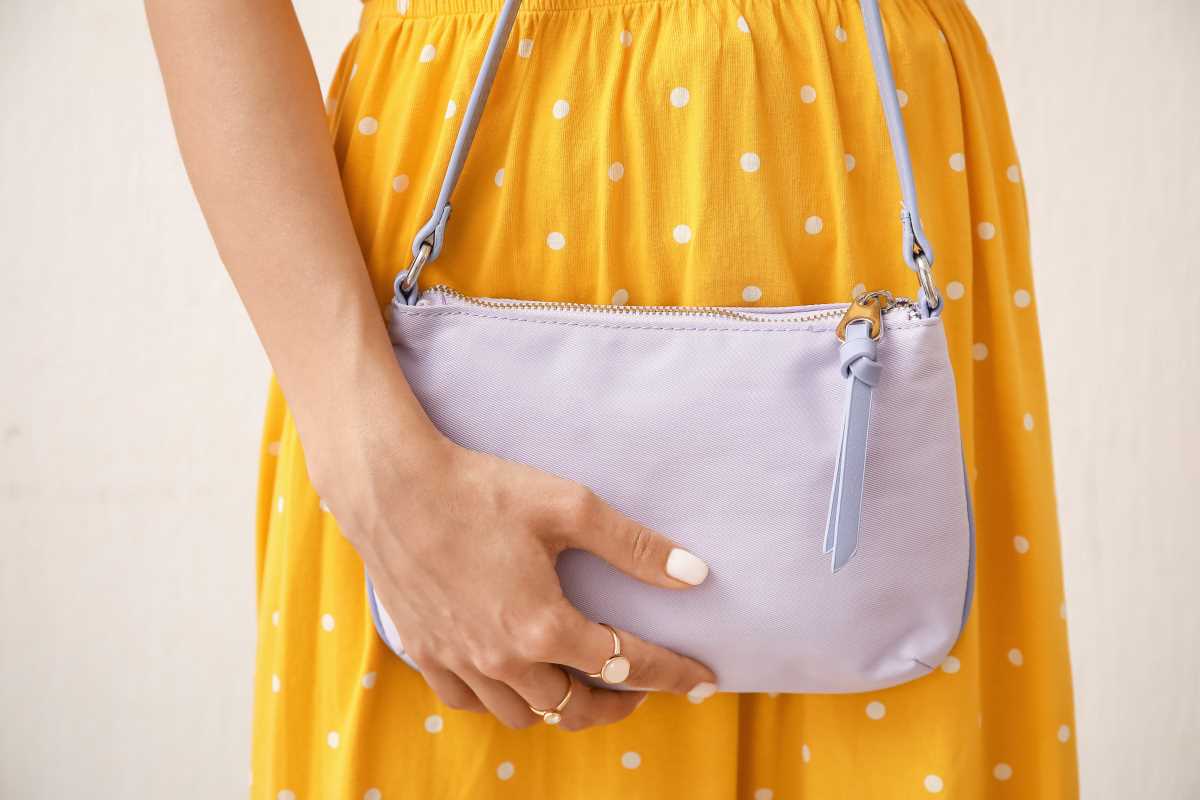
- A versatile bag or backpack
- Sunglasses that suit your face shape
These details might seem small, but they signal intention. They show that your outfit is complete, not accidental.
The goal isn’t to over-accessorize—it’s to choose pieces that quietly enhance your overall look.
Fabric and Texture: The Subtle Upgrade
Two outfits with the same colors and structure can feel completely different depending on fabric and texture.
Mixing materials—like denim with cotton, leather with knitwear, or linen with wool—adds depth without needing bold colors or patterns.
Pay attention to how fabrics drape and move. Higher-quality materials tend to hold their shape better and feel more comfortable, which naturally boosts confidence.
Building a Wardrobe That Works for You
One of the biggest mistakes people make is trying to copy someone else’s style exactly. While inspiration is helpful, your wardrobe should reflect your lifestyle.
Ask yourself:
- What do I wear most often?
- What do I feel comfortable and confident in?
- What pieces do I reach for repeatedly?
Your essentials should support your daily routine, not complicate it. A wardrobe that aligns with your life will always feel more natural and sustainable.
The Role of Consistency
Style isn’t about one perfect outfit—it’s about consistency over time. When your wardrobe is built around strong essentials, you create a reliable system.
You don’t have to reinvent your look every day. Instead, you refine it.
This consistency not only saves time but also helps you develop a recognizable personal style—one that feels authentic rather than forced.

.jpeg)